Filter, disinfect or boil?
The source and suspected contaminant choose the method. Start with official local instructions and stored water whenever possible.
The decision table
| Situation | Preferred move | Main limit |
|---|---|---|
| Sealed commercial water is available | Use it for drinking, cooking and brushing teeth. | Supply and storage. |
| Germs are the concern and fuel/chemicals are not suspected | Boil at a rolling boil for 1 minute; at elevations above 6,500 feet, boil for 3 minutes. | Needs fuel, time and a safe vessel. |
| Boiling is not possible | Use an approved disinfectant exactly as directed by CDC or the product label. | Some parasites and chemicals may remain. |
| Backcountry water with unknown microbial quality | CDC advises filtering cloudy water and following with another treatment method when boiling is not possible. | Most portable filters do not remove all bacteria and viruses. |
Storage beats improvisation
CDC recommends at least one gallon of water per person per day for three days, with more when possible. Account for pregnancy, illness, hot weather and pets. Label home-filled containers with the date, keep them cool and away from fuel or pesticides, and replace the water every six months.
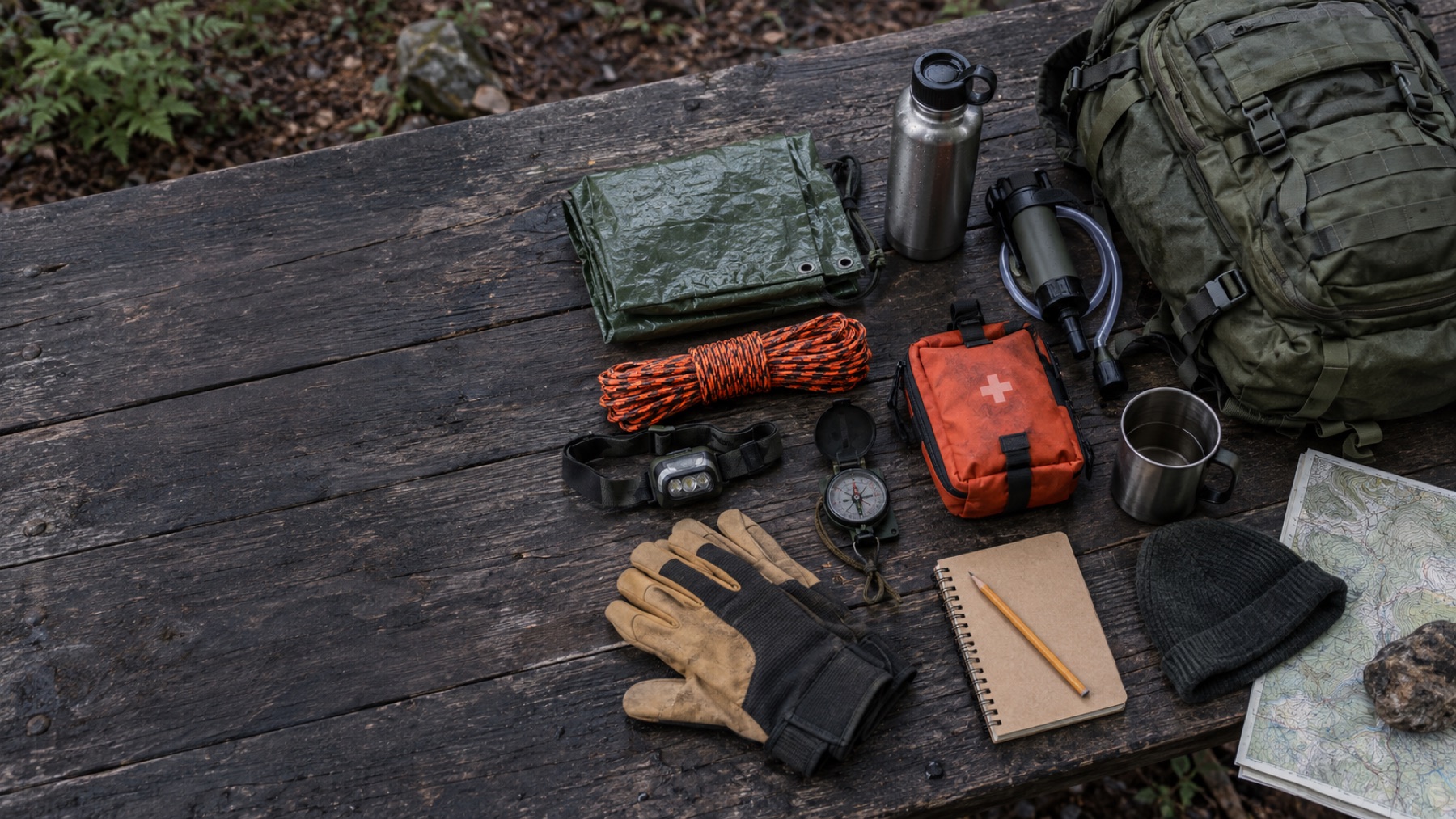
A filter’s label matters more than its appearance. Check the organisms it is rated to remove, its flow and capacity, and whether freezing can damage it. Carry the instructions. If the plan depends on a treatment tablet, record its contact time and expiration date.
A safe practice drill
Without drinking practice-treated water, rehearse the workflow with known-safe tap water: collect, prefilter cloudy-looking water through a clean cloth, operate the filter, measure the treatment dose using the current label, start a timer, and transfer water into a clean covered container. The goal is to find missing vessels, unclear instructions and cross-contamination points.